As I’m sure you’re aware, last week was pretty rough for Queensland (and then New South Wales and Victoria), as devastating flash floods ripped through Toowoomba and the Lockyer Valley, quickly followed by extreme river flooding in Ipswich and Brisbane that saw thousands of homes inundated. As in any emergency situation or other ‘acute event’, …
Tag Archives: Twitter
Twitter’s Reaction to #twitdef – Part 2
Now that the dust has (mostly) settled on the #twitdef controversy of late last year, I’m continuing my summer research project, and looking deeper into the reaction to Australia’s first twitter defamation case. We already know who the main actors are (see my first post for more info) in the debate; it’s now time to …
The Queensland Floods on Twitter: A Brief First Look
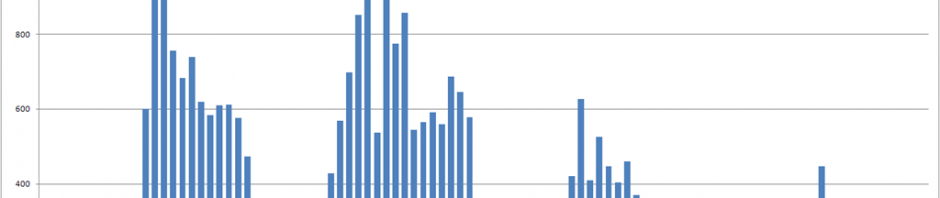
Update: added another graph showing the total number of tweets from leading accounts. Queensland has just experienced a once-in-decades flood event, with the capital Brisbane (where we’re based) hit especially hard. Social media like Twitter and Facebook played an important role in getting information out and organising rescue, relief, and recovery operations. We’ll have a …
Continue reading “The Queensland Floods on Twitter: A Brief First Look”
Visualising Twitter Dynamics in Gephi, Part 2
OK, so this is the second part of my post on turning Twitter data from Twapperkeeper into a dynamic network visualisation in Gephi. Last night’s post did the groundwork, generating a GEXF file from our #spill hashtag dataset (covering Twitter discussion of an Australian Labor Party leadership spill between 7 p.m. and midnight (AEST) on …
Continue reading “Visualising Twitter Dynamics in Gephi, Part 2”
Visualising Twitter Dynamics in Gephi, Part 1
In the following posts I’m finally keeping my promise to explore in earnest the use of Gephi‘s dynamic timeline feature for visualising Twitter-based discussions as they unfolded in real time. A few months ago, Jean posted a first glimpse of our then still very experimental data on Twitter dynamics, with a string of caveats attached …
Continue reading “Visualising Twitter Dynamics in Gephi, Part 1”
Twitter’s Reaction to #twitdef
Hello! Will Dawson here. Axel and Jean have been kind enough to take on a VRES student over summer (think of it like the work-experience kid of the academic world). Basically, VRES (or Vacation Research Experience Scholarship) is a QUT scheme that allows undergrads to get a taste of research, before moving on to higher …
Election 2010: The View from Twitter
One more time for the world: there will be a final (I think) presentation for this year of our work around Twitter in the 2010 Australian election, at the International Australian Studies Association ‘Double Vision’ conference in Sydney on Friday. This is something of a ‘best of’ of the material which we’ve already presented here …
Mapping Online Publics in Australia
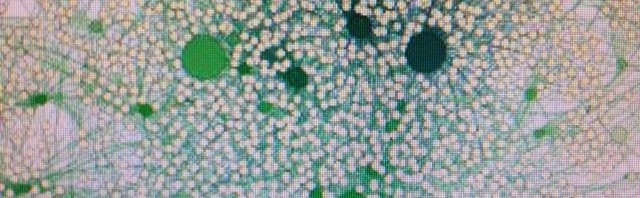
So, we had ourselves a fine little panel on tracking and mapping social media at the AoIR 2010 conference in Gothenburg today. Below is the presentation from our Mapping Online Publics project (with audio) – and over at snurb.info you can also find my blog posts from the presentations by Hallvard Moe, Christian Nuernbergk, and …
Dynamic Networks in Gephi: From Twapperkeeper to GEXF

In between last week’s ECREA conference in Hamburg, where we presented some of our methodologies and early outcomes from the Mapping Online Publics project, and the AoIR conference in Gothenburg, where we’ll talk some more about tracking and mapping interaction in online social networks, I wanted to finally follow up on Jean’s teaser post of …
Continue reading “Dynamic Networks in Gephi: From Twapperkeeper to GEXF”
#ausvotes Twitter Activity during the 2010 Australian Election
(Crossposted from snurb.info, where you can find my full coverage of ECREA 2010.) Hamburg. My own paper was next at ECREA 2010. Here’s the presentation – and I also recorded the audio for it, and will add it as soon as I can which is now attached to the slides. As it turned out, one …
Continue reading “#ausvotes Twitter Activity during the 2010 Australian Election”